What is hwatu?
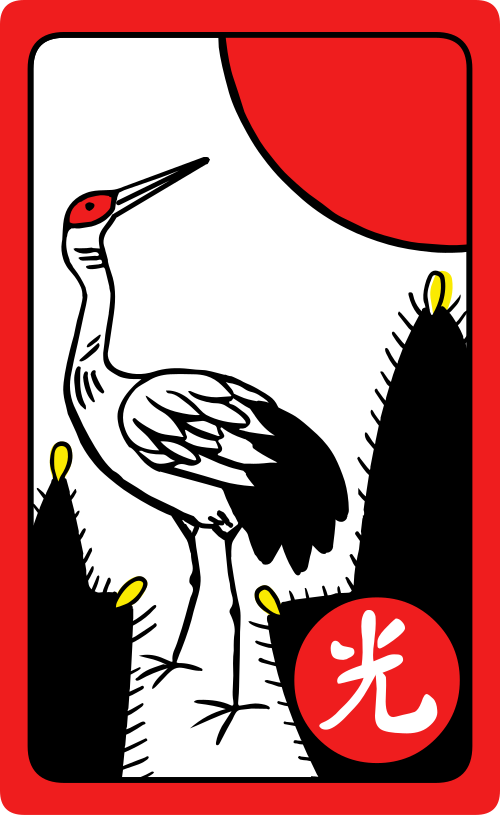
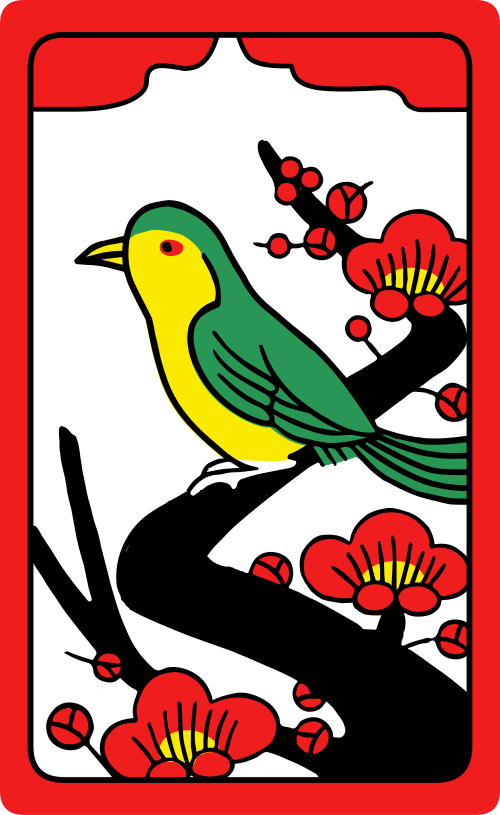
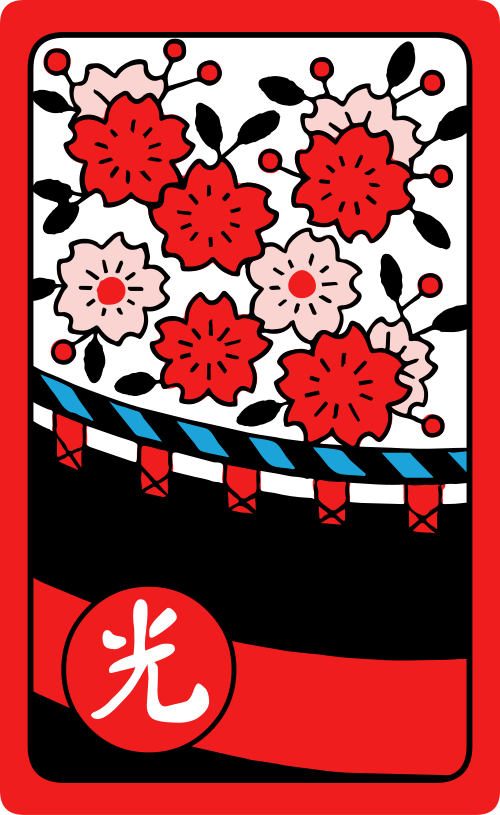
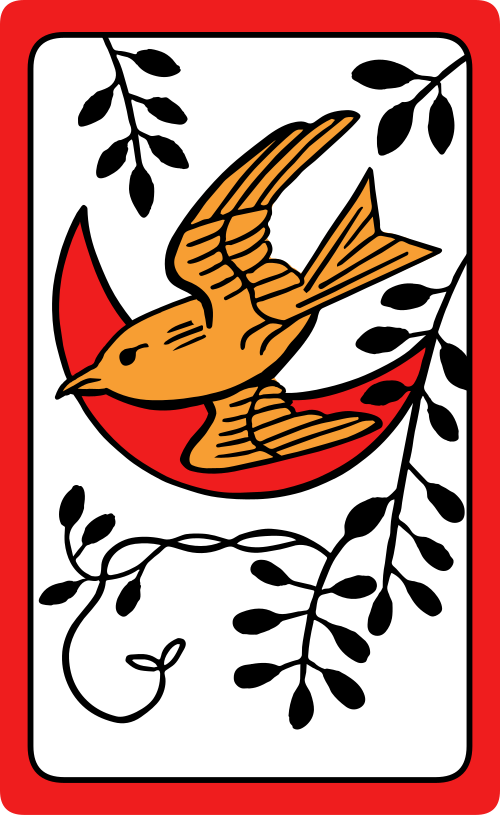
Hwatu (화투) are small, colorful Korean playing cards, often called flower cards. The name means "battle of flowers," and the deck is best known for the game Go-Stop.
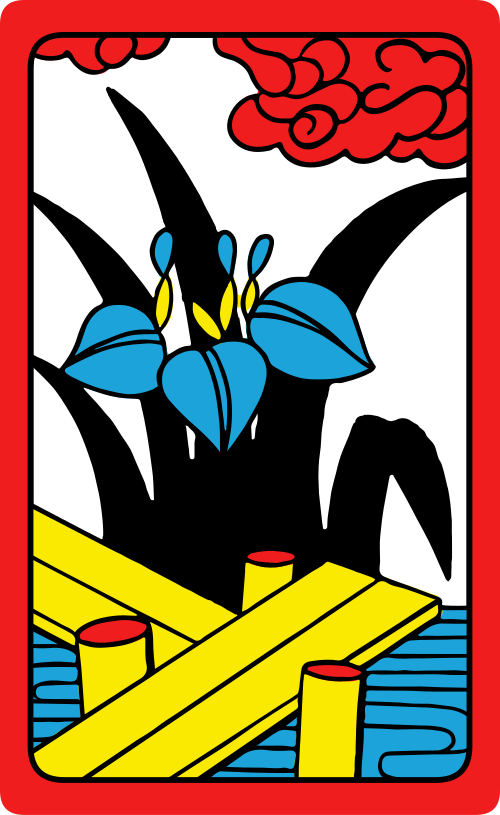
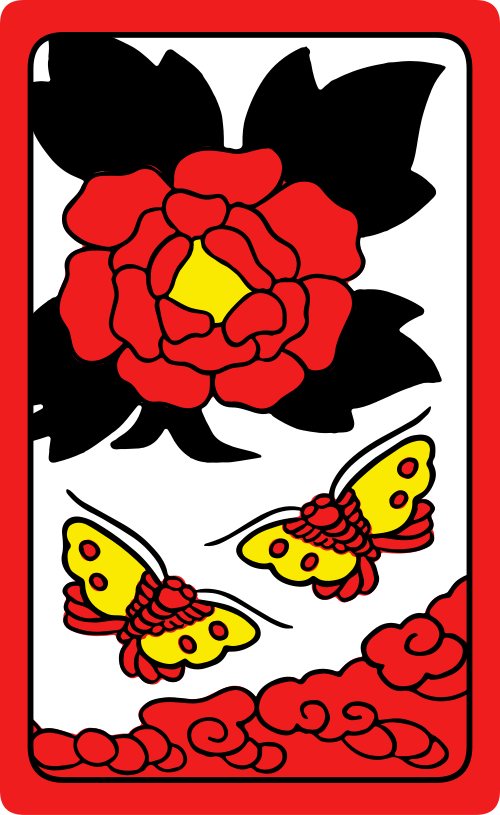
Where hwatu came from
Hwatu grew out of hanafuda, the flower cards of Japan, which reached Korea around the end of the 19th century. Koreans made the deck their own, and it became a familiar part of family gatherings, especially during holidays like Seollal (Lunar New Year) and Chuseok.
Here's a fun detail: Nintendo began in 1889 as a maker of hanafuda cards.
The 12 months
The deck has 48 cards: 12 months of 4 cards each. Every month has its own plant, which is how you tell cards apart without any numbers.
| Month | Plant |
|---|---|
| January | Pine |
| February | Plum blossom |
| March | Cherry blossom |
| April | Wisteria |
| May | Iris |
| June | Peony |
| July | Bush clover |
| August | Pampas grass and moon |
| September | Chrysanthemum |
| October | Maple |
| November | Paulownia |
| December | Willow and rain |
The four card types
- Kwang (brights): the 5 most valuable cards.
- Yul (animals): 9 cards with birds, deer, a boar and more.
- Tti (ribbons): 10 cards with red or blue ribbons.
- Pi (junk): the 24 plainest cards, which add up quickly.
How do you play with hwatu?
The most popular game is Go-Stop. Players match cards by month and race to score, then choose whether to stop or risk it all. Start with our guide to playing Go-Stop.
Play Go-Stop free